Skip to content

Compare

Kyoto or Rome?

Kyoto and Rome side by side: recommended length, best time, daily budget, highlights and which one suits whom.

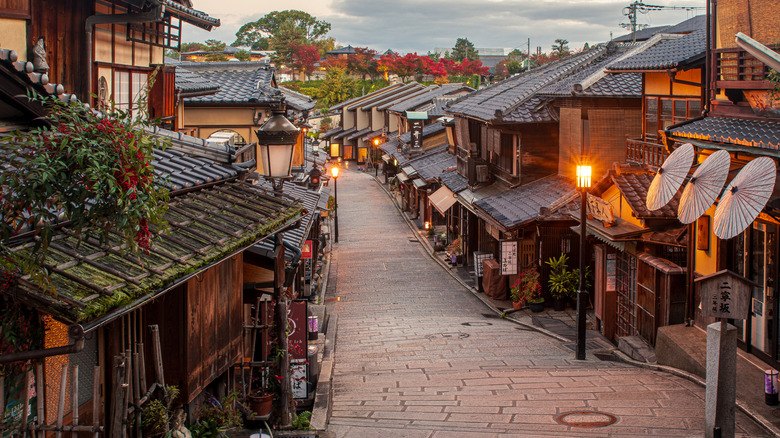
Wooden houses and a pagoda in Kyoto

Japan

Kyoto

The crowd starts at eight. You leave at seven.

Country
Japan
Recommended length
3 days
Best time
Early April and November
Daily budget
120–190 €
Language
Japanese
Currency
Japanese yen (¥)

Highlights

  • Torii gates before eight
  • One night in a ryokan
  • An afternoon market

Neighbourhoods

  • Gion — People talk about it for the evening photograph. The morning is gentler.
  • Arashiyama — Take the bamboo grove early. In the afternoon the riverbank is emptier.
The arches of the Colosseum against a blue sky

Italy

Rome

Layer upon layer. Hurry, and it all blurs.

Country
Italy
Recommended length
3–4 days
Best time
April and October
Daily budget
110–170 €
Language
Italian
Currency
Euro (€)

Highlights

  • The Colosseum in the first hour
  • One long evening in Trastevere
  • Two streets back from the fountain

Neighbourhoods

  • Monti — Within walking distance of the ancient center, with an evening that breaks into smaller shops.
  • Trastevere — The far bank of the river. Come for dinner, and save the market for the heat of midday.
  • Prati — A sensible base if your day is the Vatican. The night is quieter.
ShareWhatsAppTelegramX

Which one for whom?

Why Kyoto?

A temple path wants a morning. Keep the afternoon for a neighborhood, and end early at a ryokan table.

Kyoto pays you more clearly than most cities for an early start. You can walk the lower gates of Fushimi Inari before eight. Those same steps at noon are a different sport.

Why Rome?

Two full days for the ancient city, one afternoon for a single neighborhood. Rome opens with pace, not with a list.

You can love Rome in three days. You cannot finish it. The Colosseum asks for a morning. Stay in the same district all afternoon and you wear out the stone, and yourself.